
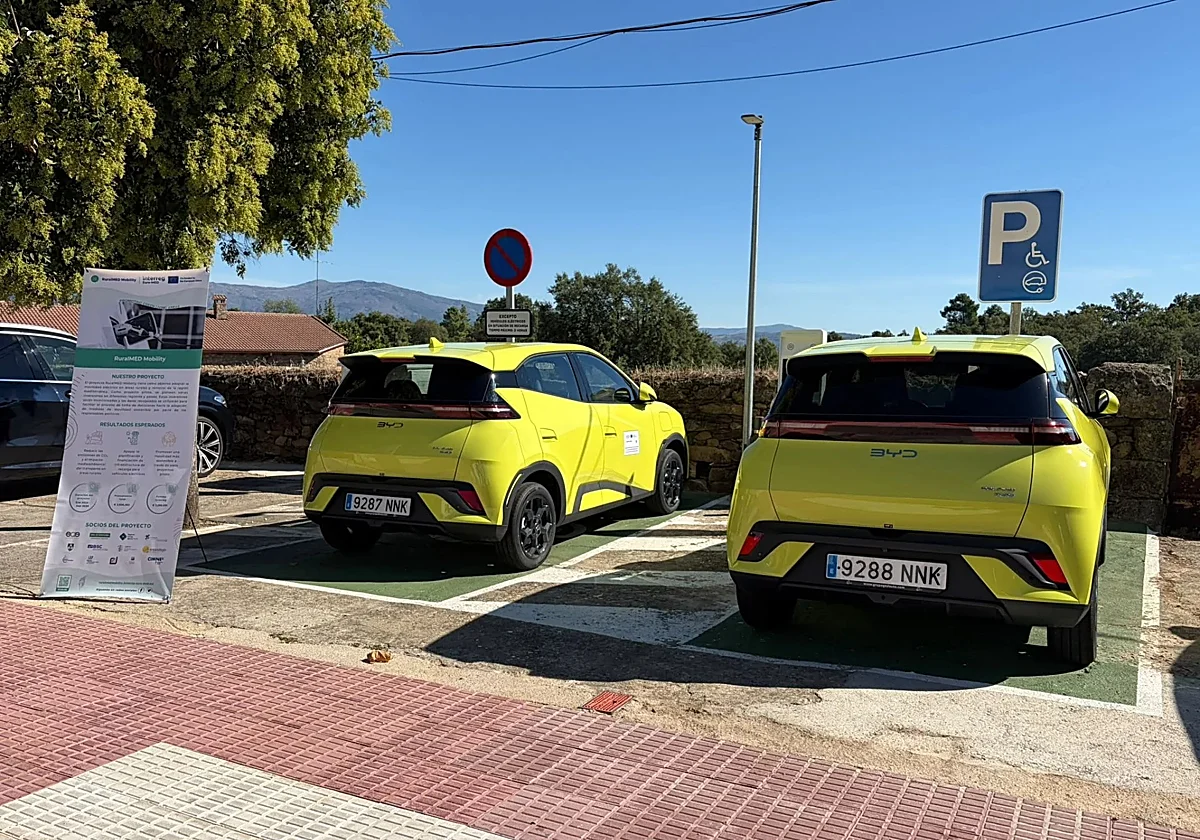
The RuralMED Mobility pilot in Extremadura, Spain, is exploring how electric and shared mobility can improve connections between rural communities. Operating in the Sierra de Gata area, the initiative combines three public charging points with two electric vehicles available to citizens through a shared mobility service.
The pilot is being implemented by the Regional Government of Extremadura, through its Directorate-General for Mobility and Transport, in collaboration with the Extremadura Energy Agency (AGENEX), which leads the RuralMED Mobility project.
Charging points have been installed in Cilleros, Perales del Puerto and Coria, while the two electric vehicles are based in Cilleros and Perales del Puerto. The service is supported by a digital platform that allows users to find compatible journeys and share vehicles when their travel routes coincide.
Sharing journeys to improve rural connectivity
The latest figures provided by the regional authorities show that the pilot has recorded 63 journeys, covering a total of 6,934 km. One of the most interesting findings is the uptake of shared journeys: of the 63 trips recorded, 36 were made using the shared-ride option, carrying a total of 52 passengers.
This feature is particularly relevant in rural areas, where dispersed settlements and limited public transport options often make it difficult to provide efficient connections between communities. By allowing users with compatible travel plans to share a vehicle, the platform helps make better use of available transport resources and offers an alternative for journeys that would otherwise depend on private cars.
The pilot is also helping assess how digital tools can support everyday mobility needs, including access to healthcare, administrative services, shops and educational facilities.
Learning from real-life mobility patterns
Beyond the number of journeys and kilometres travelled, the experience in Sierra de Gata is providing valuable information about how people use shared electric mobility services in rural settings. Monitoring travel patterns and user behaviour will help identify demand, understand the potential of shared journeys and assess the conditions needed to operate this type of service successfully.
The pilot also contributes to the objectives of Extremadura’s Sustainable Mobility Plan (PEMS), particularly those related to sustainable transport solutions in rural areas, new mobility services and the use of digital tools to improve transport connectivity.
A contribution to more sustainable rural mobility across the Mediterranean
The Extremadura experience is one of seven pilot actions implemented through RuralMED Mobility, a project led by AGENEX and bringing together 13 partners from eight countries.
By testing different electric and shared mobility solutions in rural and remote Mediterranean territories, the project aims to provide public authorities with practical evidence and experience to support the development of more accessible and sustainable transport options.
The results from Sierra de Gata highlight the potential of combining electric vehicles with digital platforms and shared journeys to address some of the specific mobility challenges faced by rural communities.